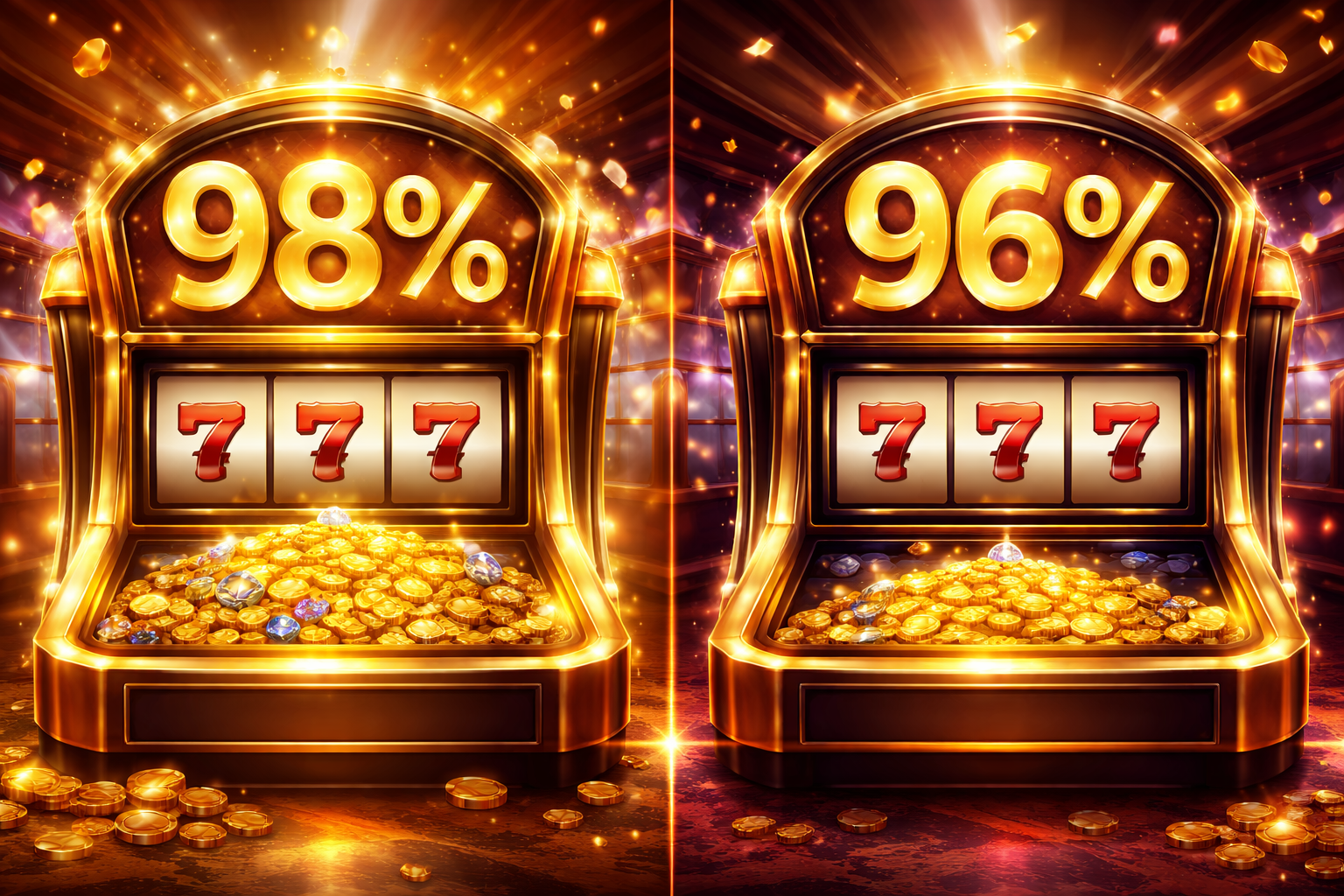
Why 98% RTP feels different than 96%
-
Not All Percentages Are Created Equal
The numbers might seem close on paper, but the experience tells a different story. A 98% RTP game doesn’t just outperform a 96% one in the long run—it feels better from the first few minutes of play. The difference is subtle, but for anyone who's spent time in front of a slot or crash-style game, it becomes increasingly noticeable the more you play. It's not about jackpot hits every time, but how the game gives and takes over a session.
This small shift in percentage impacts a player’s relationship with risk and reward. With a lower RTP, there’s a sharper edge to losses, a quicker drain on the bankroll. In contrast, a game like Chicken Road with 98% RTP allows more breathing room, giving players more time to explore the mechanics, enjoy the near-misses, and feel like they’re in control. This creates a stronger emotional connection to the game, where wins feel earned and losses feel less punishing.
The concept of Chicken Road free play is even more interesting in this context. When players test a game with a generous RTP, even in demo mode, they get a sense of fairness that carries over when they switch to real money. That feeling sticks—because a higher RTP leaves more positive memories. It's not just about luck or big wins. It's about how a game respects the player's time.
The Player’s Experience
The smoother gameplay experience is often the first thing players notice. Games with higher RTP tend to return smaller, more frequent wins that keep players engaged. While the volatility can still be high—as it is in Chicken Road—the overall rhythm of wins and losses creates a more balanced flow. That flow encourages players to take more calculated risks and enjoy the ride.
With more money cycling back into the game, players feel empowered to stay in longer, explore bonus rounds, and try new strategies. This is especially important in crash-style mechanics, where timing and decisions play a significant role. A higher RTP doesn’t mean every move pays off, but it does mean you have more chances to recover and continue. That leads to a richer, more fulfilling experience.
Longer play sessions also enhance the emotional journey of the game. Players go through waves of tension, excitement, relief, and anticipation. When the game gives a little more back, those emotions aren't cut off prematurely. Instead of frustration, players feel challenged. Instead of burnout, there's curiosity. It's a subtle shift, but it makes all the difference in how we remember a game—and whether we return to it.
Big Wins, Small Margins
The impact of a small percentage change shows itself most clearly over time. A 2% difference in RTP translates to more opportunities, especially in games with high win potential. In Chicken Road, where the max win is 20,000x your bet, the space between hitting that multiplier or cashing out early can hinge on just a few extra plays made possible by the higher return.
Bankroll longevity is a major factor here. Players who feel like they’re getting more value tend to play smarter and stay longer. That means more interactions with game features, more tension-building moments, and ultimately more satisfaction. When your balance lasts longer, you’re not just spinning the reels or guiding a chicken—you’re strategizing, adapting, and enjoying a game that feels more generous.
In tighter-margin games, players are forced to make quicker decisions about quitting or continuing. But when that edge is softened, it changes the tone of the whole session. You’re less likely to chase losses or feel regretful. Instead, the higher RTP supports more exploratory playstyles. It's not about winning every round—it's about making the most of your time with the game.
Trust, Fairness, and Player Loyalty
Trust is a fragile but powerful factor in the world of online games. When a player senses that a game gives back fairly, they become more than just a casual user—they become loyal. A higher RTP signals that the developer respects the player's experience. It’s not just about making a game exciting—it’s about making it feel fair. That’s something players notice, even if they can’t always explain it.
In a game like Chicken Road, where the mechanics are simple but the stakes are high, fairness is everything. Players guide the chicken forward, hoping to avoid danger and time their exit perfectly. It’s a fun concept, but it only works if the risk feels worth it. A 98% RTP softens the sting of near-misses and encourages another try. That feeling of “just one more round” comes from trust—not trickery.
When players return to a game, it’s rarely because they won big. It’s because they felt respected. That respect is built through consistent experience, transparent mechanics, and a sense of fairness. High RTP games like Chicken Road excel in this area. They don’t just entertain—they build relationships. And in an industry where attention is fleeting, that kind of loyalty is priceless.